Redwood City, CA · Garage Door Service
Your Redwood City Garage Door, Fixed Right
Garage door repair for Redwood City homes built mostly 1960s-70s, serving streets from Centennial to Redwood Shores and Farm Hills, fixed fast by local pros.
- Repairs & new doors
- Springs & openers
- Serving 4 nearby communities
What We Do
Garage door services in Redwood City
From a snapped spring to a full door replacement - repairs, springs, openers and new doors.

Garage Door Repair
Off-track doors, snapped cables, bent panels and grinding openers - diagnosed and fixed.
Learn more
Spring Repair
Torsion and extension springs replaced safely - the job you should never DIY.
Learn more
Opener Installation
New openers sized to your door, wired, programmed and safety-tested.
Learn more
Off-Track Repair
Doors jumped the track re-set, aligned and re-tensioned so they run true.
Learn more
Cable Repair
Frayed or snapped lift cables replaced and balanced against the springs.
Learn more
Panel Replacement
Dented or cracked sections swapped for a match without replacing the whole door.
Learn moreCommon Problems
Garage door problems we fix in Redwood City
A stuck or broken garage door can't wait. Call and tell us what the door is doing - a snapped spring, a frayed cable, a door off its track or an opener that won't respond - and leave a spring-loaded door closed until a tech has looked at it.
- Broken springs and snapped cables
- Doors off the track or stuck shut
- Opener, remote and sensor failures
- Noisy, slow or unsafe doors

Why Redwood City Calls Us
How we work on Redwood City garage doors
How It Works
Getting your door fixed is simple
Tell us the symptom
Call or request a quote and describe what the door is doing - noise, off-track, won't open.
On-site diagnosis
A tech inspects the springs, tracks, opener and panels and gives you a written price first.
Repaired or installed
Most repairs are done on the same visit; installs are scheduled around you.
Our Work
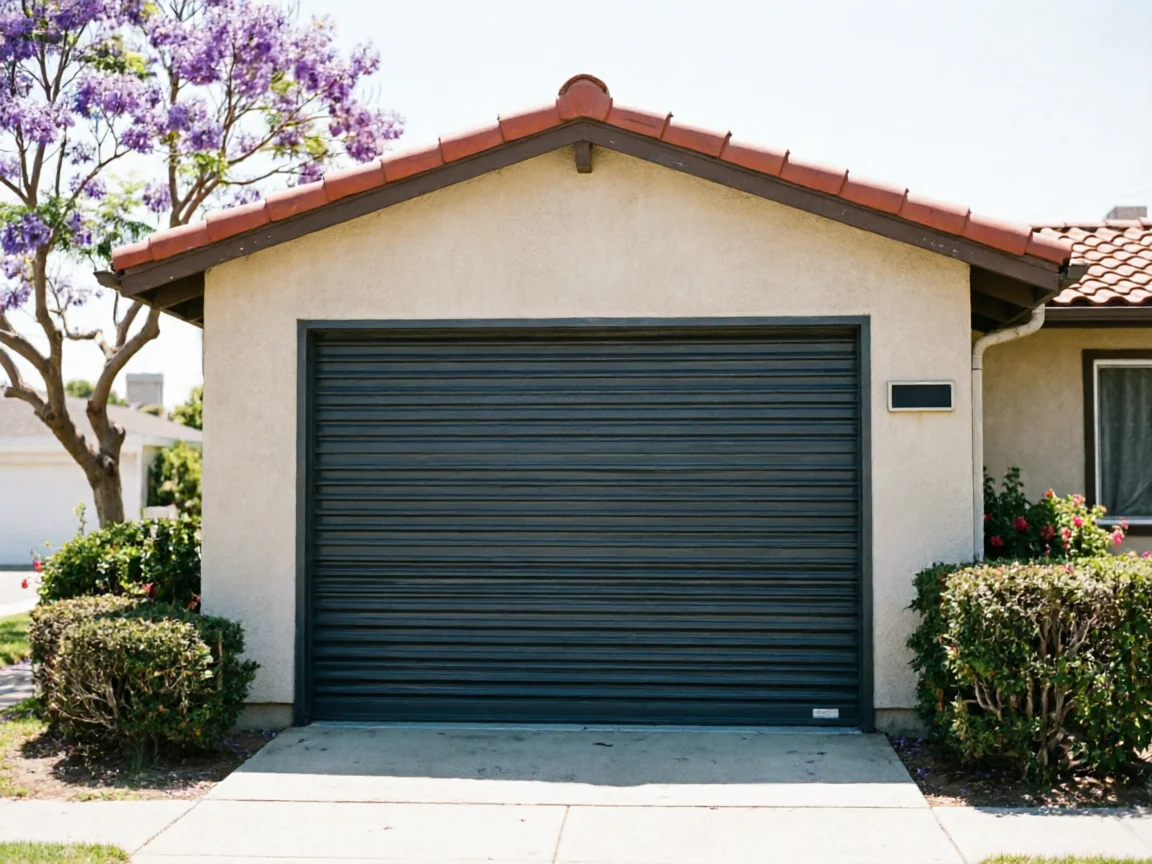
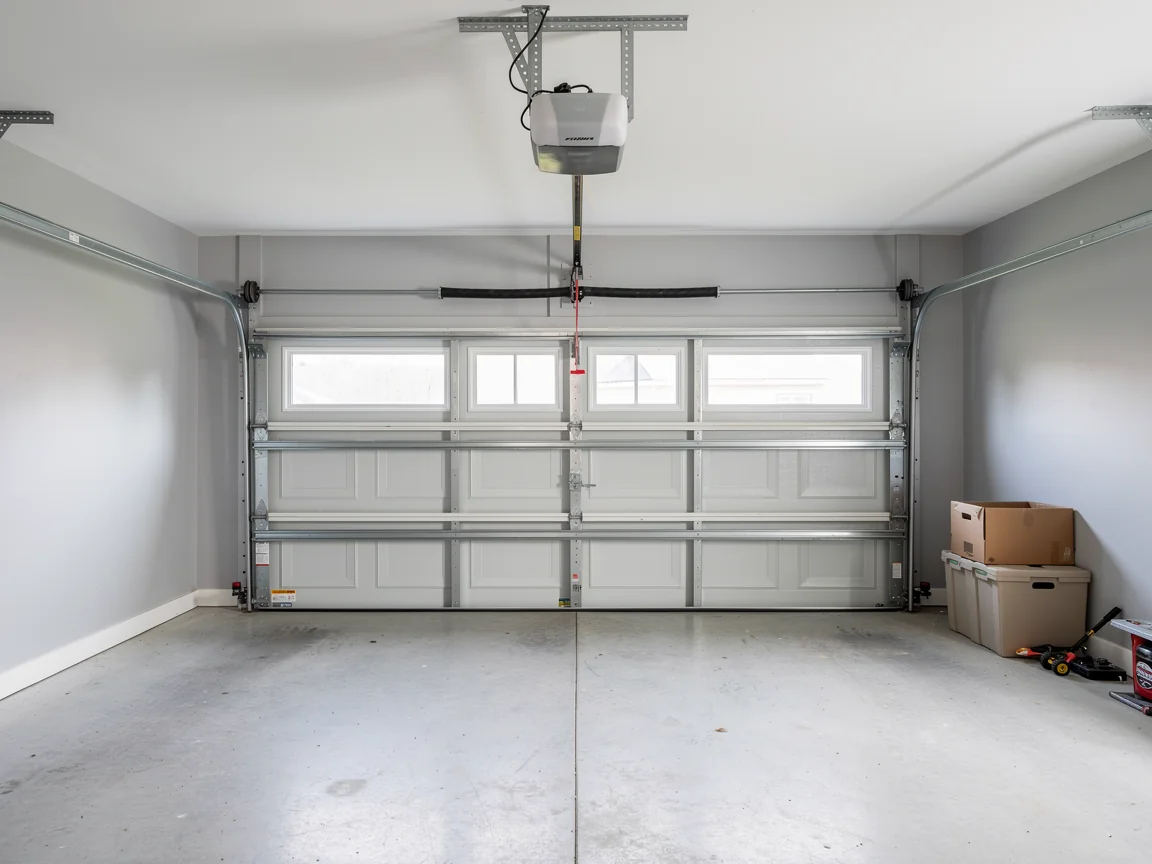
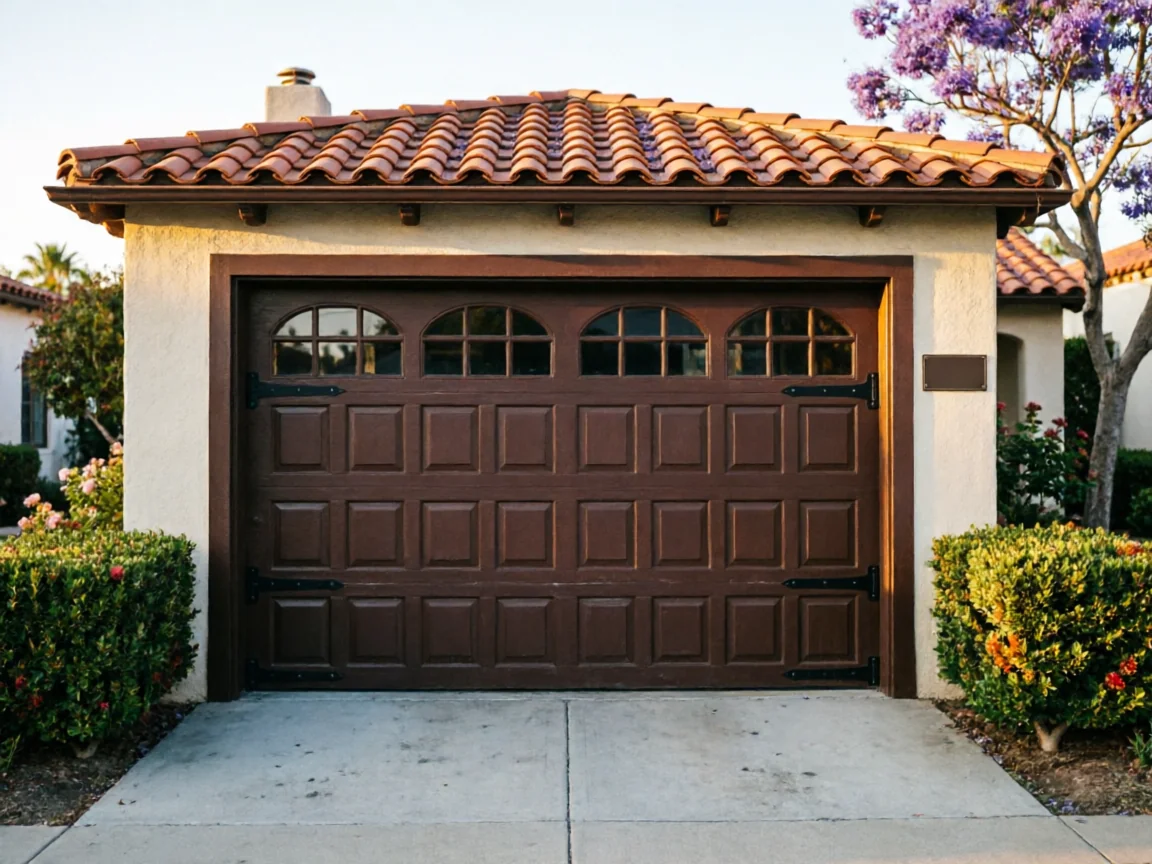
Recent garage door projects in Redwood City
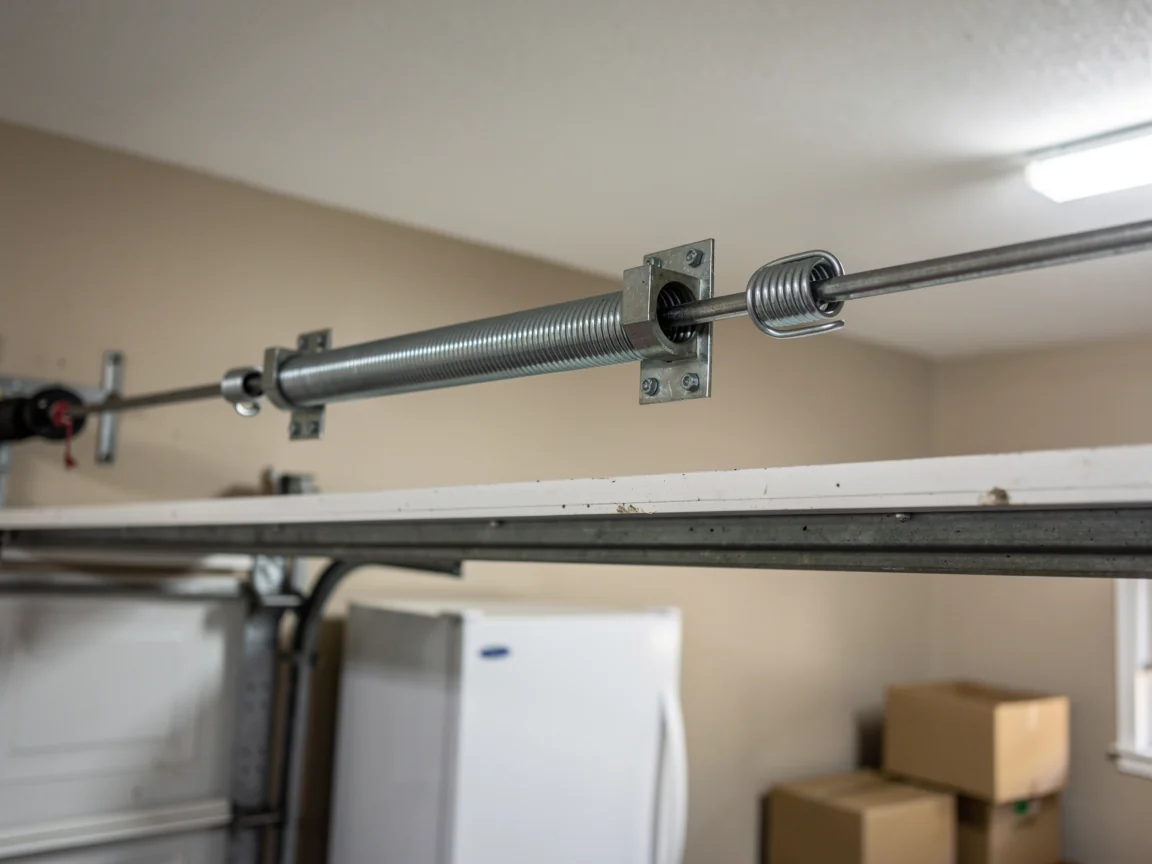
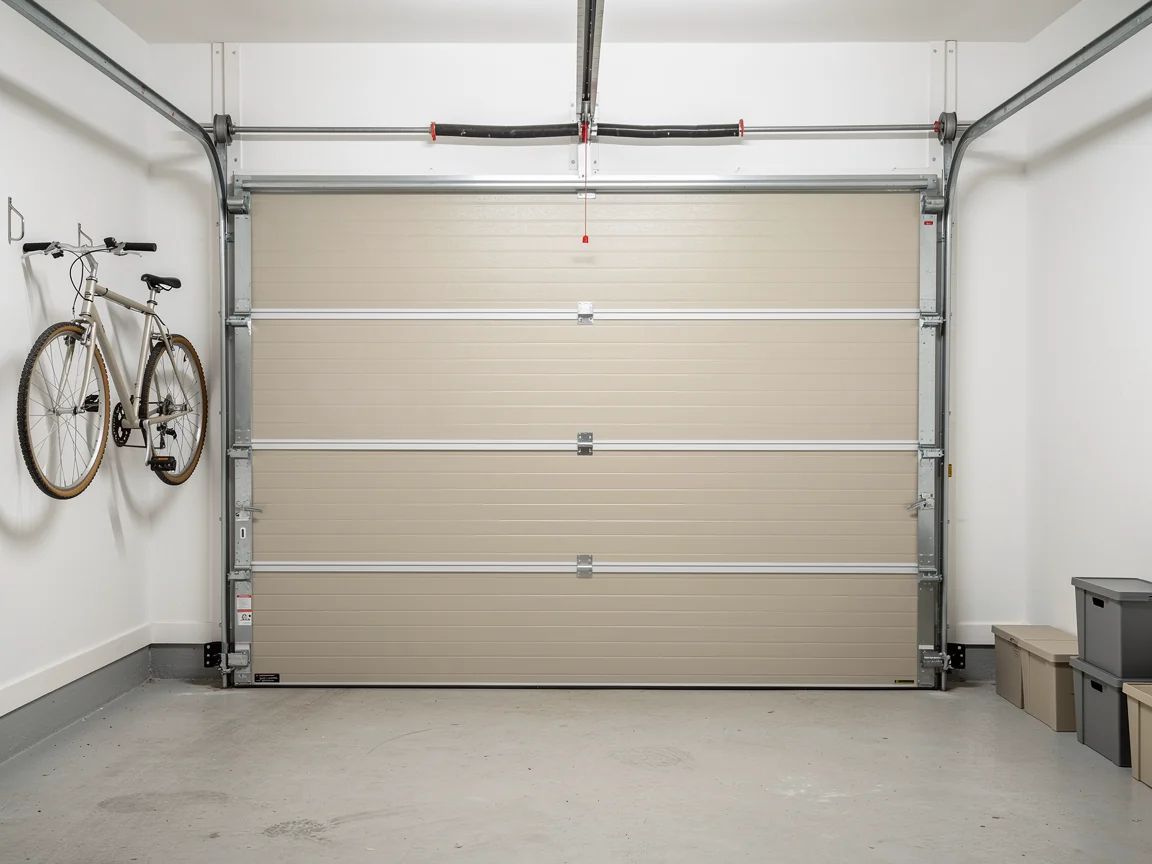
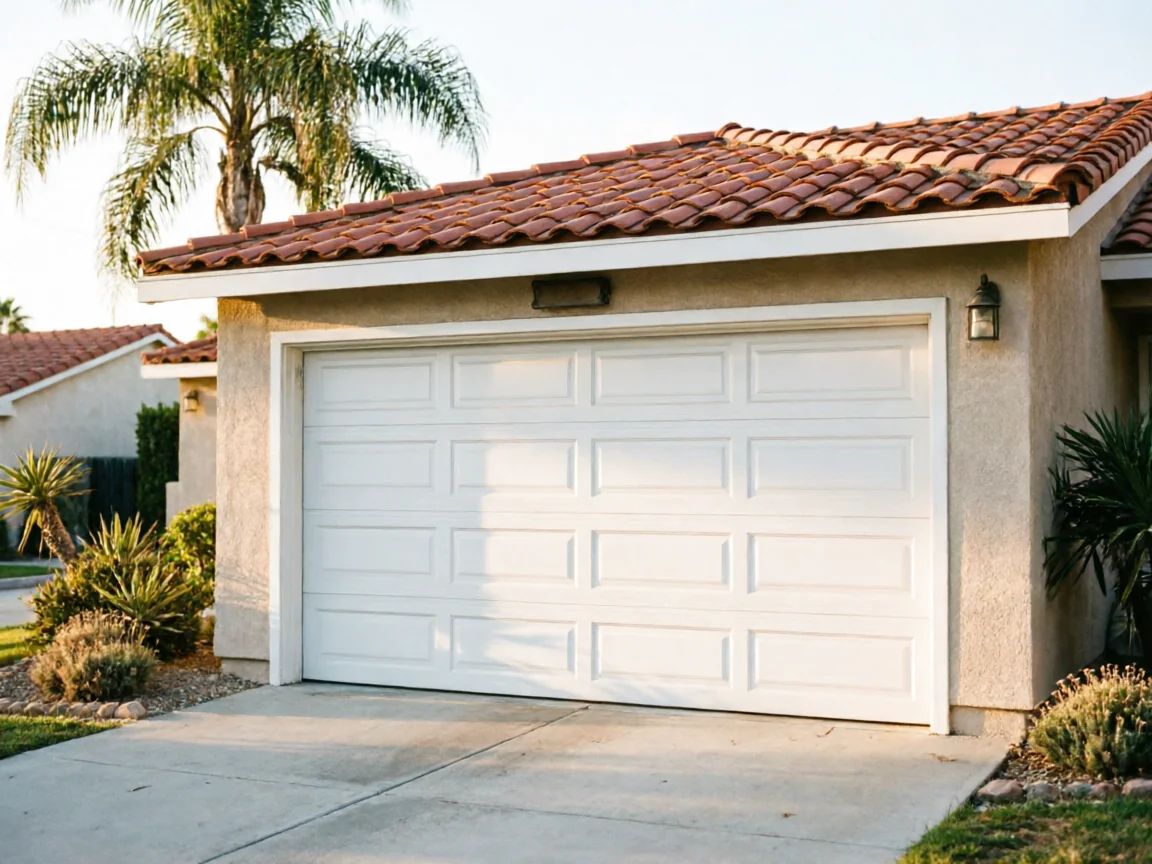
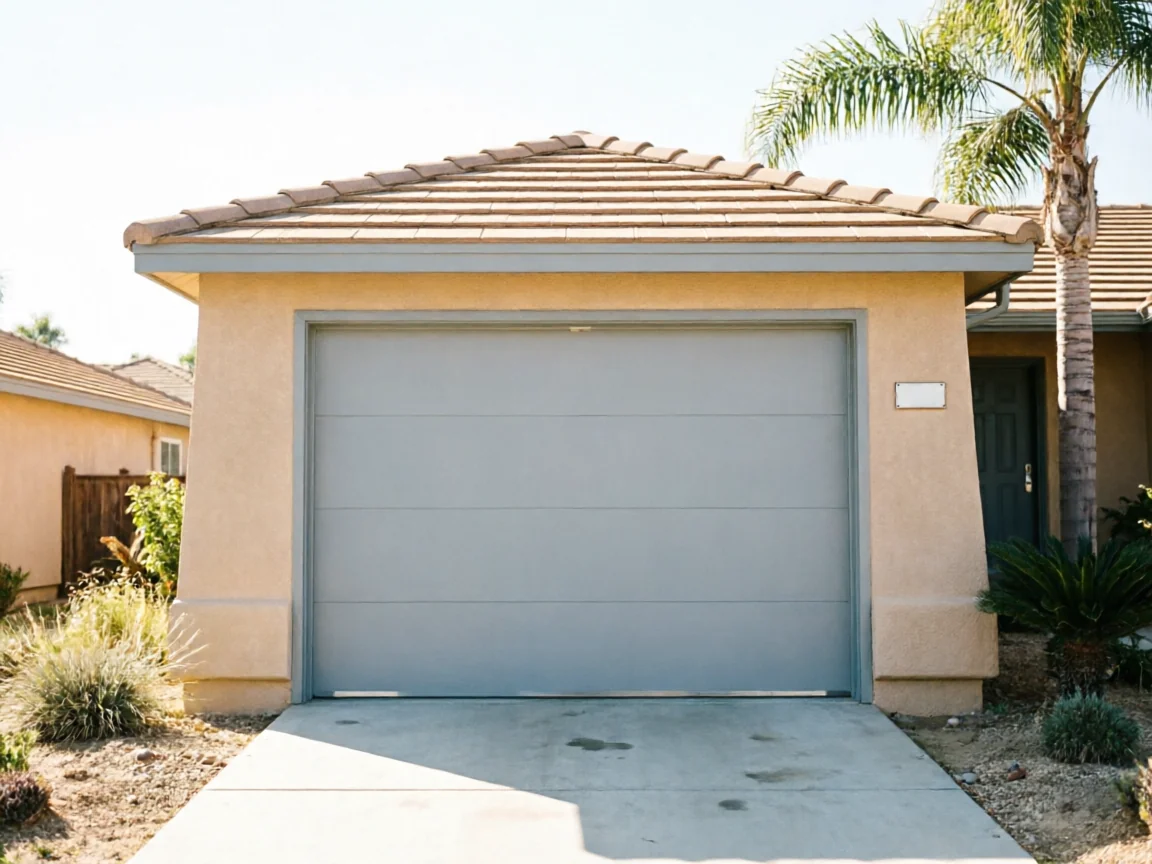
A look at doors, openers and springs we've installed and serviced across the Redwood City metro.
Where We Work
Serving Redwood City & nearby communities
Neighborhoods across the city and suburbs around the metro. Not sure if we reach you? Just ask.
Local Expertise
What to know about garage doors in Redwood City
The Area and Its Housing
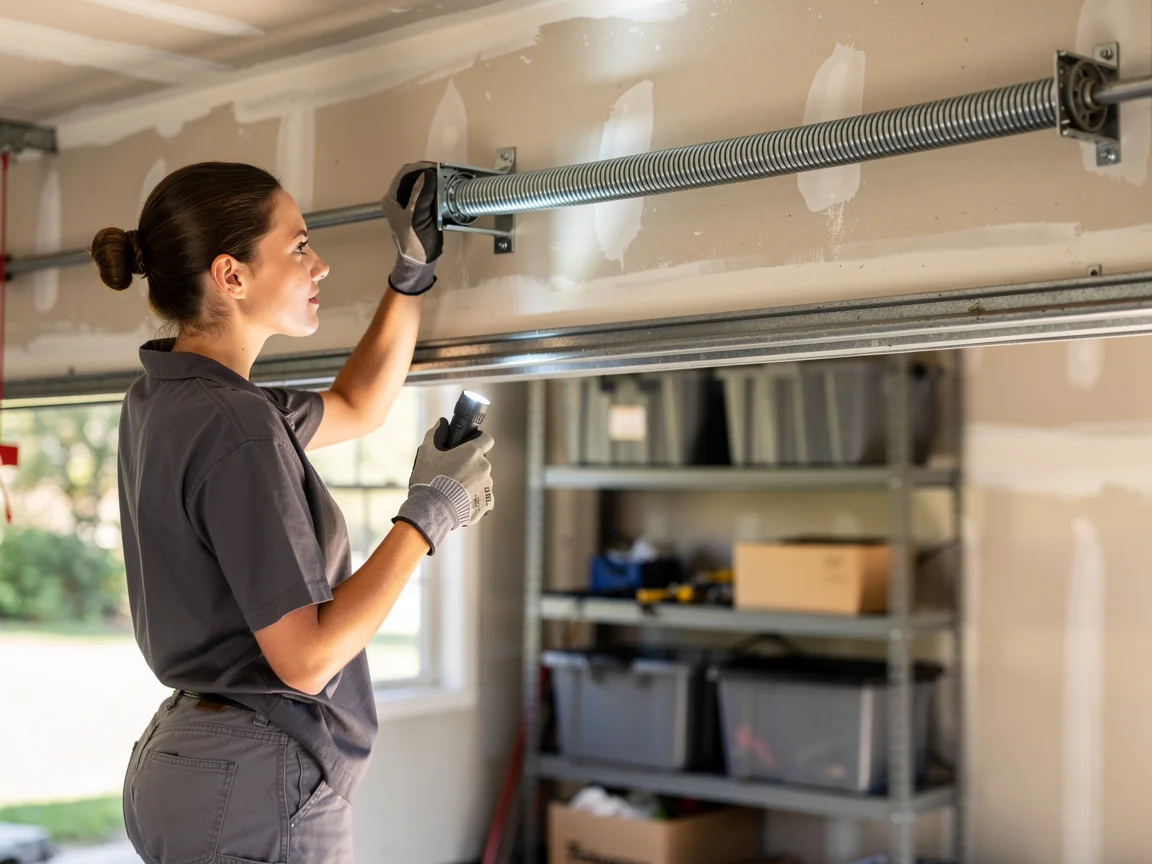
Walk down most blocks in this part of the Peninsula and you're looking at a house built somewhere between 1947 and 1988, with the median landing around 1966. That's not a guess - it's the pattern across the 41 named areas that make up this stretch, from Centennial about two miles southwest of downtown, to Redwood Shores two miles northwest, out to Farm Hills four miles southwest and West Atherton just south of that. Most of those houses came with a single-panel door on side-mounted torsion hardware, or an early sectional door with hinges and rollers nobody makes quite the same way anymore. A lot of them have had one or two openers bolted on since, usually by whoever owned the place before you. We see the same handful of door models over and over because the same few builders worked this ground in the same twenty-year window. That's useful for us - it means when you call, we already have a decent guess at what's behind your door before the truck leaves. It also means a lot of hardware out there is original, which matters more than people think when a spring finally lets go.
How a Call Goes
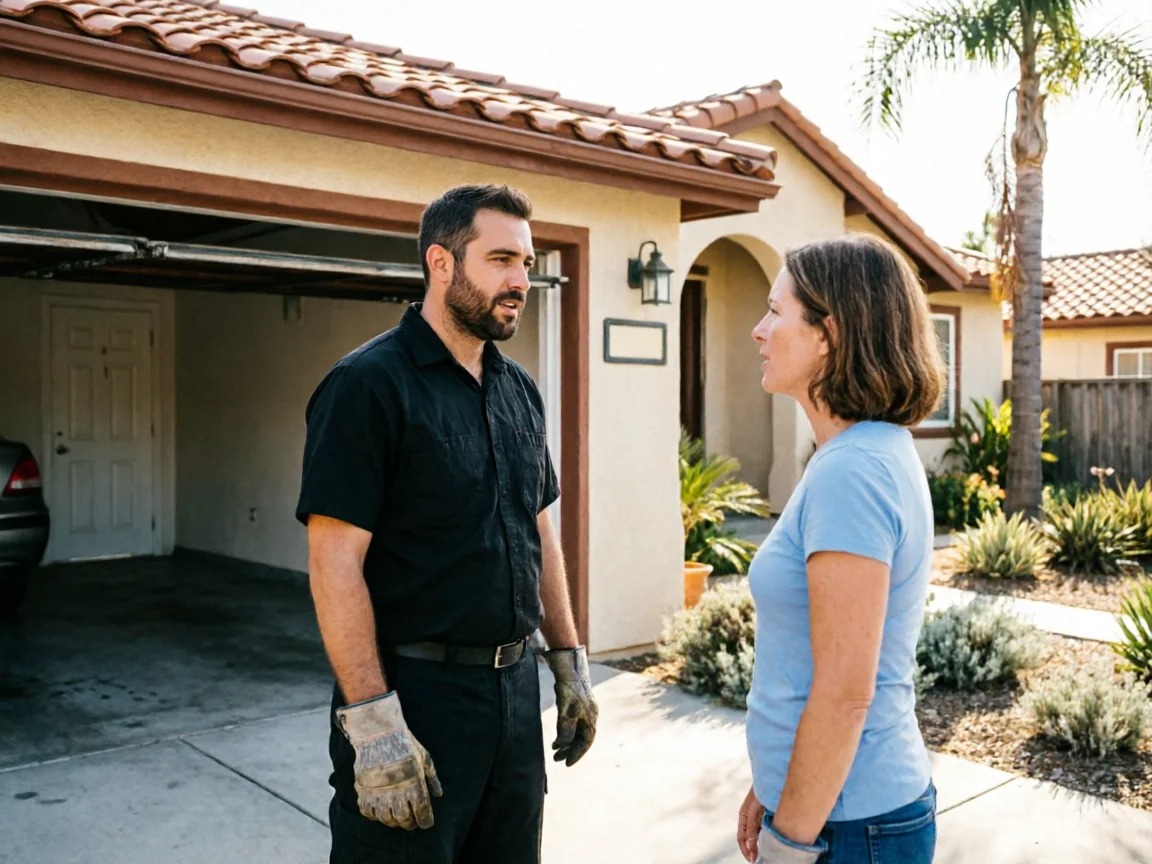
You call, you tell us what the door is doing - won't open, slams down, makes a bang and stops - and we ask a few questions before anyone drives out. Is it the opener or the door itself. One side or both. Did it happen suddenly or has it been getting worse. That five-minute conversation saves you a diagnostic visit half the time, because a lot of symptoms point to one of maybe six common failures in houses this age. When we're on site, we look at the spring, the cables, the rollers and track alignment, and the opener's gears and sensors, in that order, because that's the order things actually fail in. We'll tell you straight if it's a twenty-minute fix or something bigger. The one honest limit here: if a part isn't something we carry on the truck - an odd-width track section or a discontinued opener board - we may need to order it, and that can add a few days. We won't pretend otherwise just to close the job faster.
When Replacement Wins
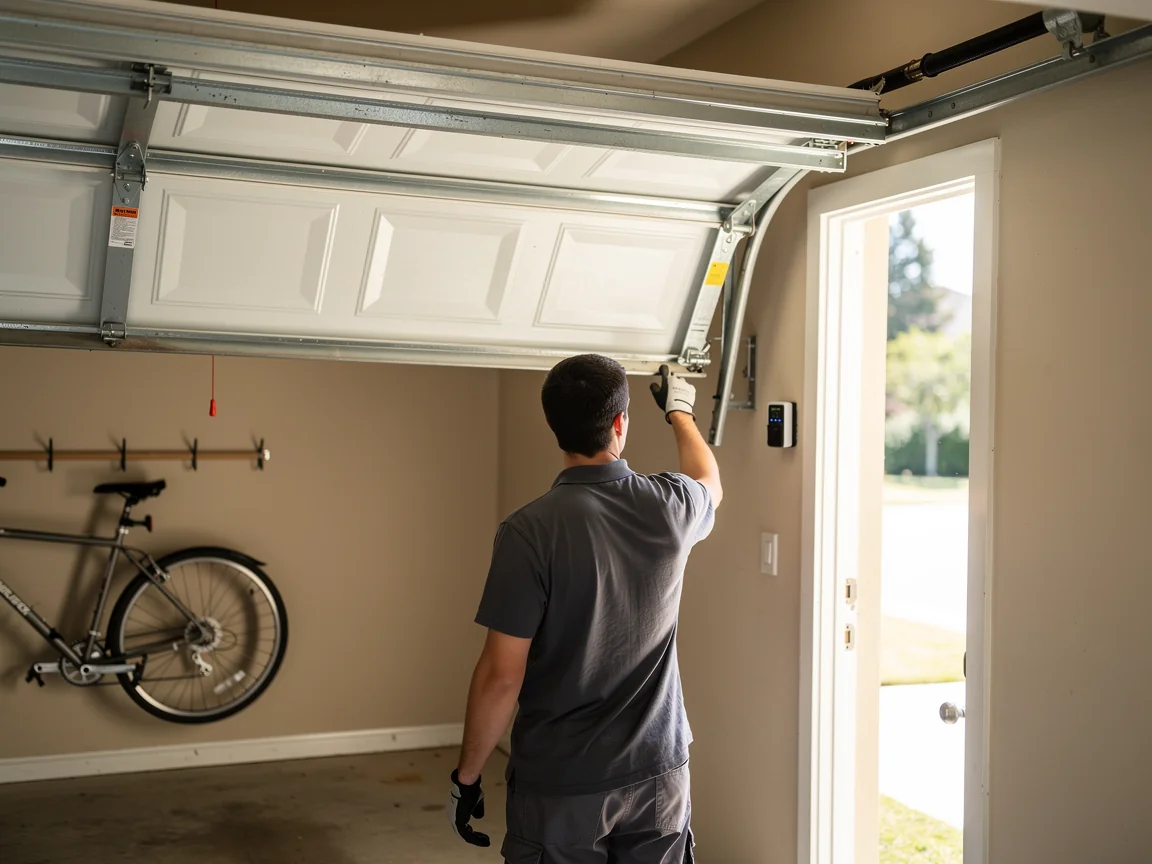
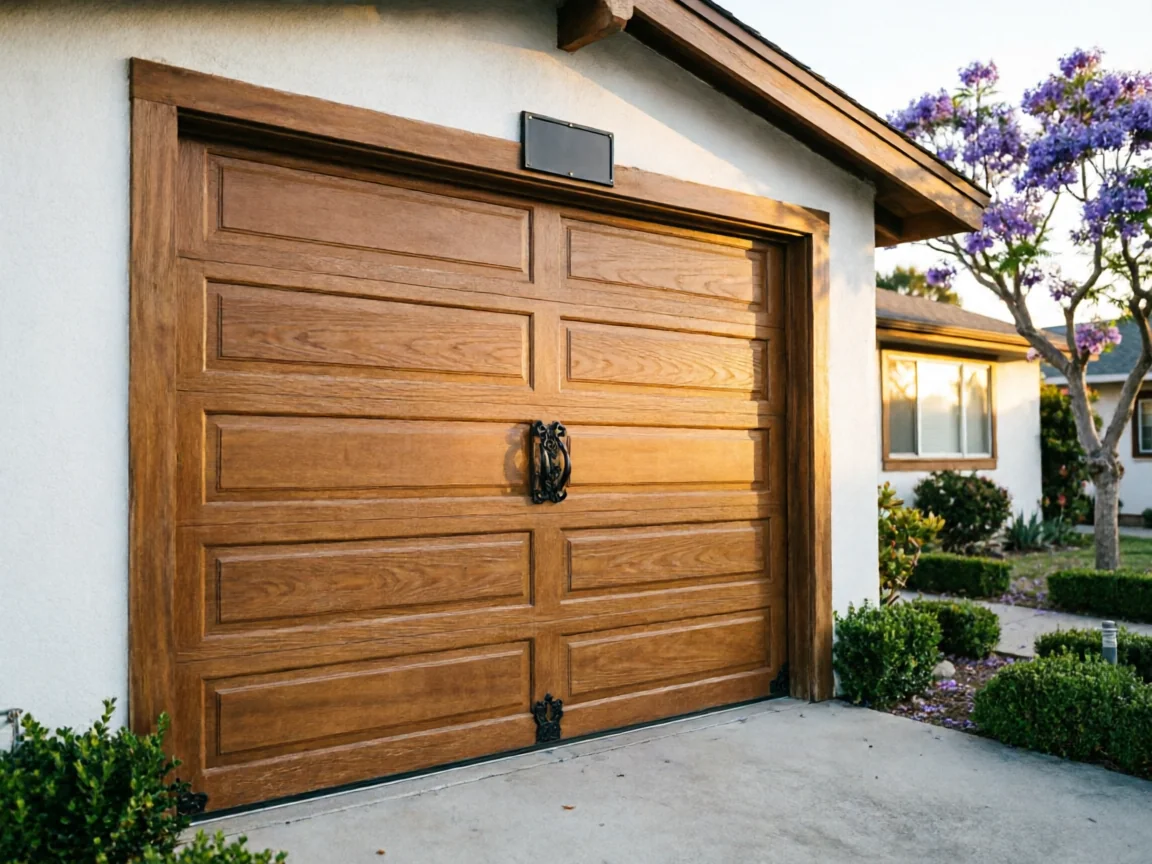
A door from the 1960s or 70s that's had one spring replaced and otherwise runs fine isn't a candidate for replacement - it's a candidate for keeping it running. But once the panels are rusted through at the bottom, or the track is bent in more than one place, or you're looking at a second major repair inside two years, the math changes. The mild temperate climate here is actually kind to these doors; we don't get the freeze-thaw cycling or the salt-air corrosion that wrecks hardware faster in other parts of the country. So when an original door does fail structurally after fifty-some years, it's usually wear and plain age, not weather damage. That's worth knowing because it means a well-maintained original door can often be repaired rather than replaced, even at this age. Where replacement wins is insulation and safety - modern doors have sensors and auto-reverse that a lot of the 1960s and 70s stock never had retrofitted, and that's not a repair, that's a different door.
Pricing, and What Drives It
We're not going to put a number here that doesn't hold up once we see your actual door, so we won't. What we can tell you is what moves the price: whether it's a single spring or a pair, whether the track needs realignment or replacement, whether your opener board is a common part or something we have to source for an older unit, and door size - a two-car door costs more in parts than a single. Houses in this area built in that 1947-1988 window often have non-standard widths or older torsion setups that take slightly different springs than what's on the shelf at a big box store, which is part of why a quick online quote never matches what the job actually needs. We'll walk you through the breakdown before we start, not after. Nobody in this market needs a surprise invoice on top of a broken door.
What We Fix Most Here
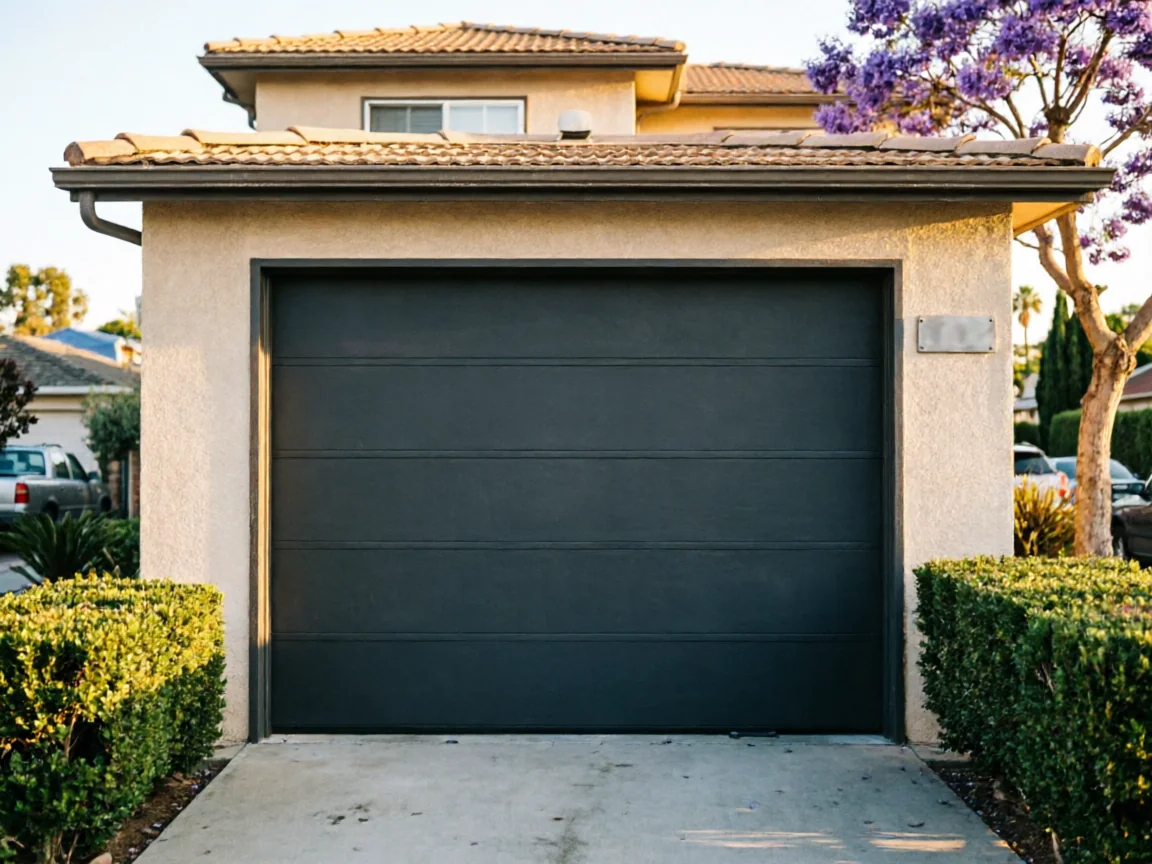
Springs, by a wide margin - specifically torsion springs on doors old enough that the original spring has simply outlived its wind count. After that, openers: gears stripping, circuit boards failing, sensors knocked out of alignment by a bike or a bin. Tracks come third, usually bent from a car clipping the door on the way out, which happens more than people admit. Rollers and cables round it out, mostly on doors that haven't had any maintenance since whoever built the house put the door in. Given how much of the stock here dates to the 1960s and 70s, we spend a fair amount of time explaining why a part that looks fine on a newer door needs replacing on an older one - tolerances were different then, and parts wear unevenly on hardware that's been carrying the same door for fifty years. If your door is quiet on one side and groaning on the other, that's almost always the spring, not the opener, no matter what the panel seems to suggest.
Good to Know
Frequently asked questions
How old is a typical garage door around here
Housing in this service area was mostly built between 1947 and 1988, median around 1966, so a lot of the doors we see are either original to the house or a first-generation replacement from the 80s or 90s. That means older torsion hardware and non-standard widths come up often, which is part of what we check for before quoting a job.
Do you work outside Redwood City proper
We cover the surrounding area, including spots like Centennial, Redwood Shores, Farm Hills, and nearby cities such as San Carlos, Belmont, and Menlo Park, all within a few miles. If you're not sure whether your street is in range, call and ask - it's a quick answer.
Why does my spring keep going even though it's not that old
Sometimes it's a mismatched spring installed by a previous repair that wasn't rated for the door's actual weight. On houses from this area's common 1960s-70s building window, doors and hardware weren't always standardized, so a spring that's technically a few years old can still be wrong for the door.
Is it worth replacing the whole door instead of repairing it
Usually not, if the structure is sound - the mild climate here is gentle on hardware, so original doors often last with ordinary repairs. It's worth replacing once panels are rusted or cracked, the track is bent in multiple spots, or you want modern safety sensors an older door never had.
Need a garage door fixed in Redwood City?
Call now or request a quote - tell us what the door is doing and where you are.